
 English

Stackers and other bulk-material handling machines rely on rotary electrical connections to move power and control circuits between stationary and rotating structures. The operating environment can combine long duty cycles, dust, vibration and limited maintenance windows. A slip ring for this equipment therefore needs a clear inspection and service strategy as well as sufficient electrical […]
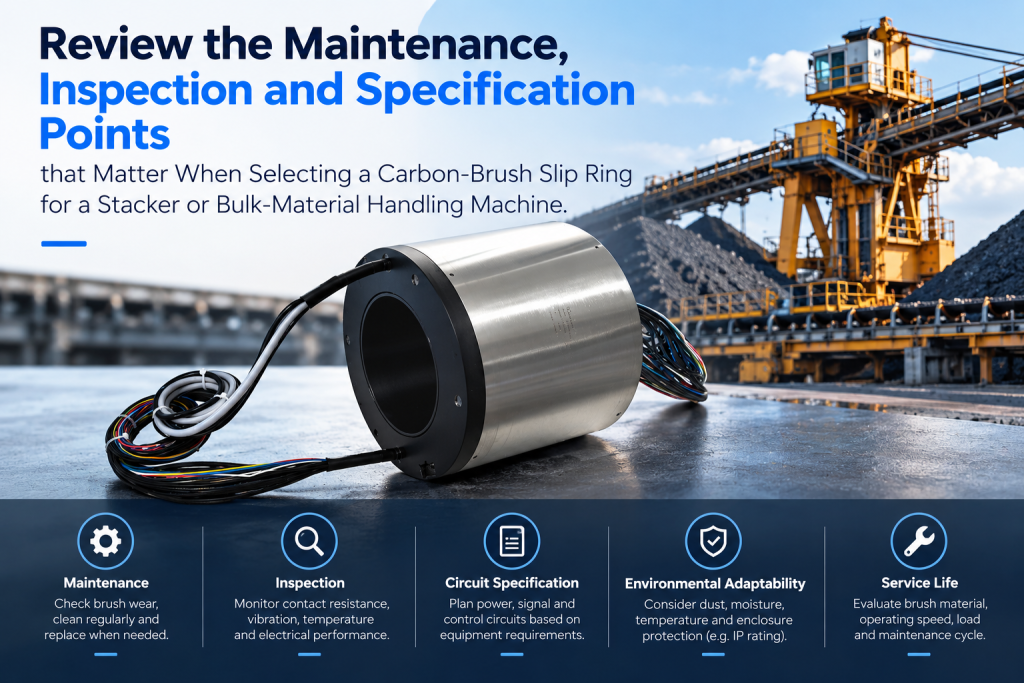
Stackers and other bulk-material handling machines rely on rotary electrical connections to move power and control circuits between stationary and rotating structures. The operating environment can combine long duty cycles, dust, vibration and limited maintenance windows. A slip ring for this equipment therefore needs a clear inspection and service strategy as well as sufficient electrical capacity.
The LPA000-03300-0630-2020 project uses a customized carbon-brush structure designed for long service and practical maintenance. The following points help engineering and maintenance teams evaluate a similar solution.
Carbon-brush technology is widely applied where a rotary connection must carry substantial current. The brush and conductive ring form a serviceable contact system. This makes inspection and replacement planning possible without replacing the entire machine interface.
The design still needs to match the load. Rated current, working voltage, speed and duty cycle affect the brush arrangement, conductor size and heat generated inside the assembly. A project should start with a circuit-by-circuit load schedule rather than a single total-current figure.
Maintenance access should be considered during mechanical design. Technicians need room to open inspection covers, view wear parts, remove dust and replace brushes. If the slip ring is surrounded by guards, cable trays or structural members, a serviceable internal design may still be difficult to maintain in practice.
The equipment designer should define:
These details help the slip ring supplier arrange terminals, covers and brush holders around the actual service workflow.
A fixed calendar interval is not always sufficient. Inspection frequency should consider operating hours, rotation profile, current load, dust exposure, temperature and vibration. A machine that runs continuously under heavy load may require a different schedule from a seasonal unit with lower utilization.
During inspection, maintenance personnel can check brush wear, spring condition, contact surfaces, fasteners, cable strain relief and signs of abnormal heating. Dust or wear debris should be removed using the approved method for the product. Cleaning materials and compressed-air use should follow the manufacturer’s instructions so insulation and seals are not damaged.
Maintenance teams should record repeatable observations rather than wait for a complete loss of transmission. Changes in temperature, odor, noise or contact behavior can justify further inspection. Any measurement method and acceptance limit should come from the approved product documentation.
Do not compare readings taken under different loads as if they represented the same condition. A useful record identifies the circuit load, machine state, ambient temperature and measurement point.
Bulk-material sites can expose equipment to airborne dust, moisture and temperature variation. The required enclosure and sealing arrangement should be based on the installation location. Cable entries, terminal boxes and inspection covers form part of the protection system and should be reviewed together.
For projects intended for cold regions, specify minimum starting temperature, operating temperature, storage temperature and any need for internal heating. Low-temperature cables, seals and grease may need separate review. These requirements should be confirmed rather than inferred from the general machine location.
A maintainable slip ring reduces disruption only when the correct spare parts and procedures are available. The project documentation should identify brush grades, quantities, inspection limits and replacement steps. Site teams should also know which parts can be replaced in position and which work requires workshop support.
Record the installed product configuration. Custom slip rings may look similar while using different brush, cable or terminal arrangements. Ordering spares against the exact approved drawing prevents substitutions based only on external appearance.
Before supplier review, prepare:
A carbon-brush slip ring can be a practical choice for a high-current stacker when the electrical design, access and maintenance plan are developed together. The project value comes from predictable inspection, replaceable wear parts and accurate service records.
For a custom evaluation, share the electrical schedule, machine drawings, environmental conditions and maintenance constraints. These inputs allow the supplier to propose a structure that the site team can operate and service safely.
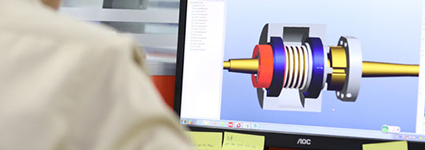
JINPAT photovoltaic slip rings have high quality and competitive price. JINPAT has provided hundreds of models of electro-optical rotary joints for both civil and military industries. Most of JINPAT electro-optical slip rings have high transmission capacity. High-end slip rings can transmit 4K@60FPS high-definition video signals. OVERVIEW Design product sketches and models using SOLIDWORKS 3D Computer […]

With many years of experience in managing various types of projects, the management team of JINPAT is able to eliminate all obstacles that arise during the execution of projects to ensure that the technology is followed and the products are manufactured successfully. In addition, JINPAT understands the importance of good documentation. Documents such as certificates […]
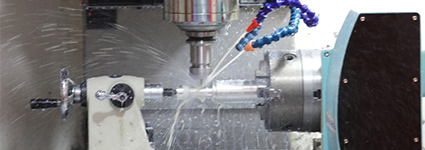
JINPAT carries out precision machining of all components of its products. At all stages of production, from drawing to molding, JINPAT is committed to being precise and ensuring that the best slip rings are produced. With the ability to machine parts to a tolerance of 5 microns, our experienced, highly skilled team uses the latest […]

JINPAT welding technicians are experts in Gas Metal Arc Welding (GMAW), Flux Cored Arc Welding (FCAW), Gas Tungsten Arc Welding (GTAW) and Semi Metal Arc Welding (SMAW). They are dedicated individuals who value precision and aesthetics in the production of machine components. OVERVIEW Welding procedures comply with codes such as ASMEIX, AWS, DIN, API, B31.1, […]
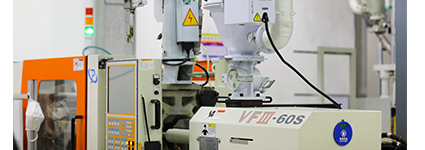
JINPATElectronics is a customer-oriented corporation. We do our utmost to provide our customers with high-standard solutions for transmission including rotation. Up to now, JINPAT has provided its services to more than 10,000 customers worldwide. Each slip ring produced by JINPAT undergoes a series of rigorous and systematic inspections and durability tests before being delivered to […]
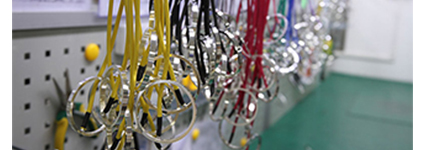
With advanced testing and measuring devices, JINPAT’s Quality Control Department conducts systematic inspections of our products. Our quality measurement system complies with ISO 9001:2015. JINPAT has great confidence in its products and has earned a good reputation for producing products of unrivaled quality. REVIEW Detailed inspection and provision of data in the form of documentation […]