
 English

Commissioning data becomes the maintenance baseline A contactless interface removes brush wear from the data path, but it does not remove the need for commissioning records. Save the approved geometry, nominal gap, alignment limits, cable routing, connectors, grounding and complete motion profile. Record firmware or converter versions if the system includes digital electronics. Measure available […]
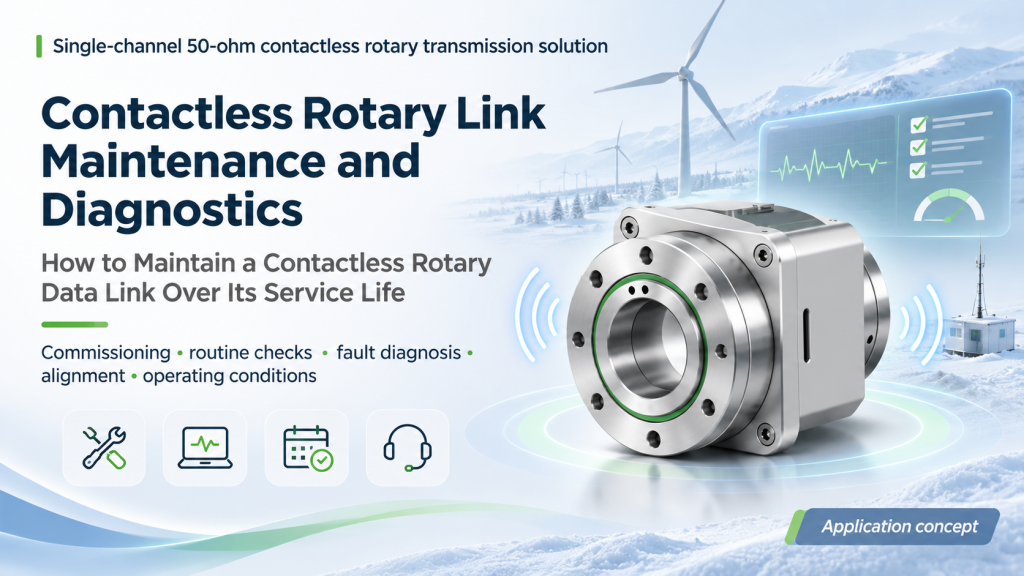
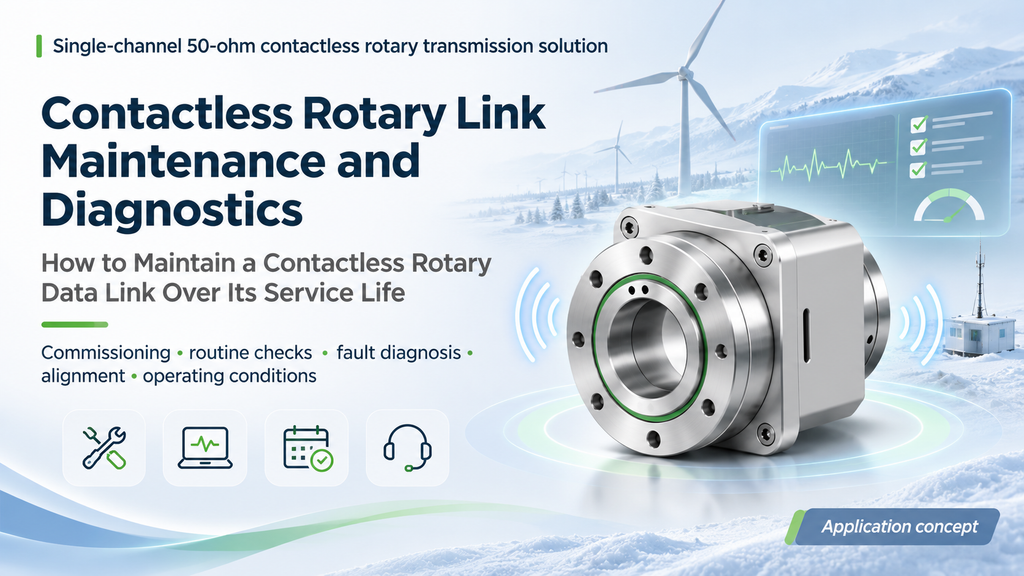
A contactless interface removes brush wear from the data path, but it does not remove the need for commissioning records. Save the approved geometry, nominal gap, alignment limits, cable routing, connectors, grounding and complete motion profile. Record firmware or converter versions if the system includes digital electronics.
Measure available RF and digital indicators under representative operation. Depending on the design, these may include insertion loss, return loss, received level, link margin, packet or bit errors, throughput and latency. Record values at several angular positions and speeds so later changes can be compared with a real baseline.
Operators can monitor link interruptions, error counters, startup time and changes correlated with speed or position. A slowly increasing error rate may point to contamination, alignment drift, cable damage, connector problems or external EMI. One intermittent event is not enough to identify the component.
Define alert levels for link availability and errors based on the application. A condition-monitoring stream may tolerate buffering that a control loop cannot. Keep the measurement method consistent. If the system reports only a pass or fail state, consider adding diagnostic logging at the host interface.
Check mounting fasteners, runout, gap, alignment and cable strain relief during planned stops. Contactless does not mean position-independent. Bearing wear or structural movement elsewhere in the machine can shift the link outside its tested tolerance.
When communication degrades, separate host electronics, cables, connectors, power supply, RF channel and mechanical alignment. Swap or loop back sections only under an approved procedure. Look for speed-dependent, angle-dependent and EMI-dependent behavior; each pattern suggests a different cause.
The JINPAT engineering reference includes stable-performance and interference-resistance goals, but no public error-rate or EMI limit. Maintenance instructions should therefore use project acceptance data rather than generic marketing language.
For wind and remote industrial assets, access cost can exceed component cost. Combine visual inspection, alignment checks and connector review with existing service windows. Keep replacement instructions and any calibration or alignment tooling available at the site.
A replacement must match frequency behavior, geometry, interface electronics and software assumptions. Retain exact internal identification in the maintenance system even though the prototype code and photograph are not public. Control revisions so that an experimental sample is not treated as the final production configuration.
The available JINPAT brief does not provide temperature, condensation or IP ratings. Russian transport and winter conditions therefore require explicit storage, stabilization and operating limits. Test any enclosure or environmental protection at system level before deployment.
A lifecycle plan is more useful than calling the link maintenance-free. It gives the operator measurable warning signs, diagnostic steps and a replacement path without overstating an early engineering reference.
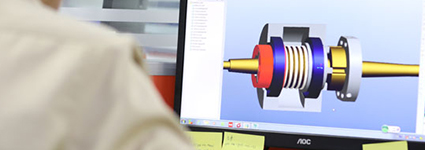
JINPAT photovoltaic slip rings have high quality and competitive price. JINPAT has provided hundreds of models of electro-optical rotary joints for both civil and military industries. Most of JINPAT electro-optical slip rings have high transmission capacity. High-end slip rings can transmit 4K@60FPS high-definition video signals. OVERVIEW Design product sketches and models using SOLIDWORKS 3D Computer […]

With many years of experience in managing various types of projects, the management team of JINPAT is able to eliminate all obstacles that arise during the execution of projects to ensure that the technology is followed and the products are manufactured successfully. In addition, JINPAT understands the importance of good documentation. Documents such as certificates […]
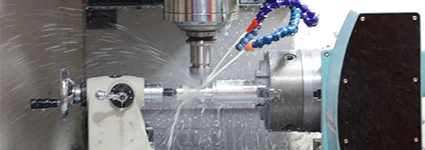
JINPAT carries out precision machining of all components of its products. At all stages of production, from drawing to molding, JINPAT is committed to being precise and ensuring that the best slip rings are produced. With the ability to machine parts to a tolerance of 5 microns, our experienced, highly skilled team uses the latest […]

JINPAT welding technicians are experts in Gas Metal Arc Welding (GMAW), Flux Cored Arc Welding (FCAW), Gas Tungsten Arc Welding (GTAW) and Semi Metal Arc Welding (SMAW). They are dedicated individuals who value precision and aesthetics in the production of machine components. OVERVIEW Welding procedures comply with codes such as ASMEIX, AWS, DIN, API, B31.1, […]

JINPATElectronics is a customer-oriented corporation. We do our utmost to provide our customers with high-standard solutions for transmission including rotation. Up to now, JINPAT has provided its services to more than 10,000 customers worldwide. Each slip ring produced by JINPAT undergoes a series of rigorous and systematic inspections and durability tests before being delivered to […]
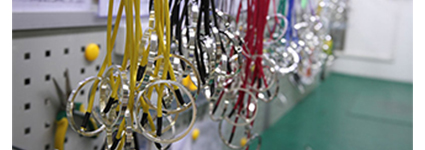
With advanced testing and measuring devices, JINPAT’s Quality Control Department conducts systematic inspections of our products. Our quality measurement system complies with ISO 9001:2015. JINPAT has great confidence in its products and has earned a good reputation for producing products of unrivaled quality. REVIEW Detailed inspection and provision of data in the form of documentation […]